La Prima della Scala · lettura C1
Lettura · Level C1 · Sant’Ambrogio
Opera, protests and a 500-year-old market: Milan’s December 7, in advanced Italian.
You’ll read a short C1 article about La Prima della Scala and the Oh Bej! Oh Bej! market, written in a formal, journalistic register. Warm up with the pictures first.
🎭 Warm-up: match the pictures
Choose the Italian word for each picture, then press Check.
8 pictures · 8 words
What is it in Italian?
1. 
2. 
3. 
4. 
5. 
6. 
7. 
8. 
La Prima della Scala: due volti di Milano
Il 7 dicembre Milano celebra Sant’Ambrogio, il vescovo che nel IV secolo guidò la città con tale autorevolezza da diventarne il simbolo: ancora oggi i milanesi si definiscono «ambrosiani» e la diocesi conserva un proprio rito, il rito ambrosiano. Per il capoluogo lombardo si tratta di un giorno festivo che, unito all’Immacolata, regala spesso ai residenti un lungo ponte.
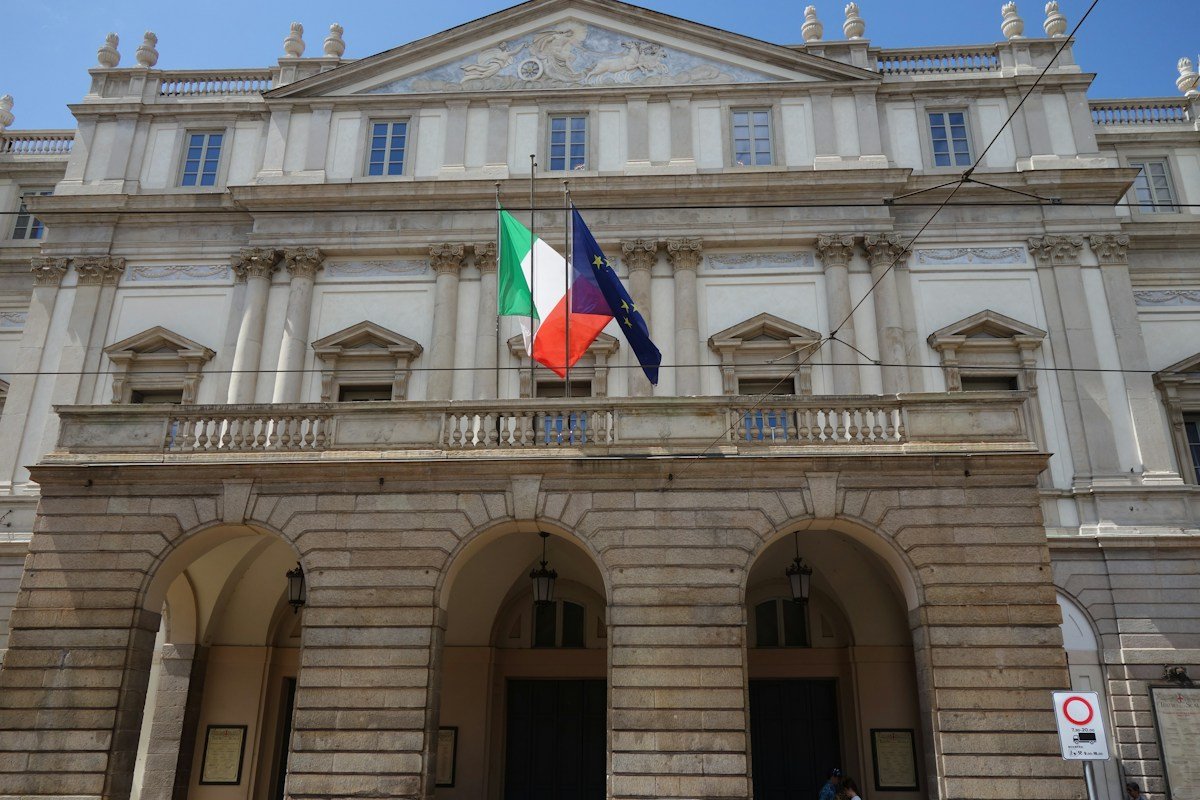
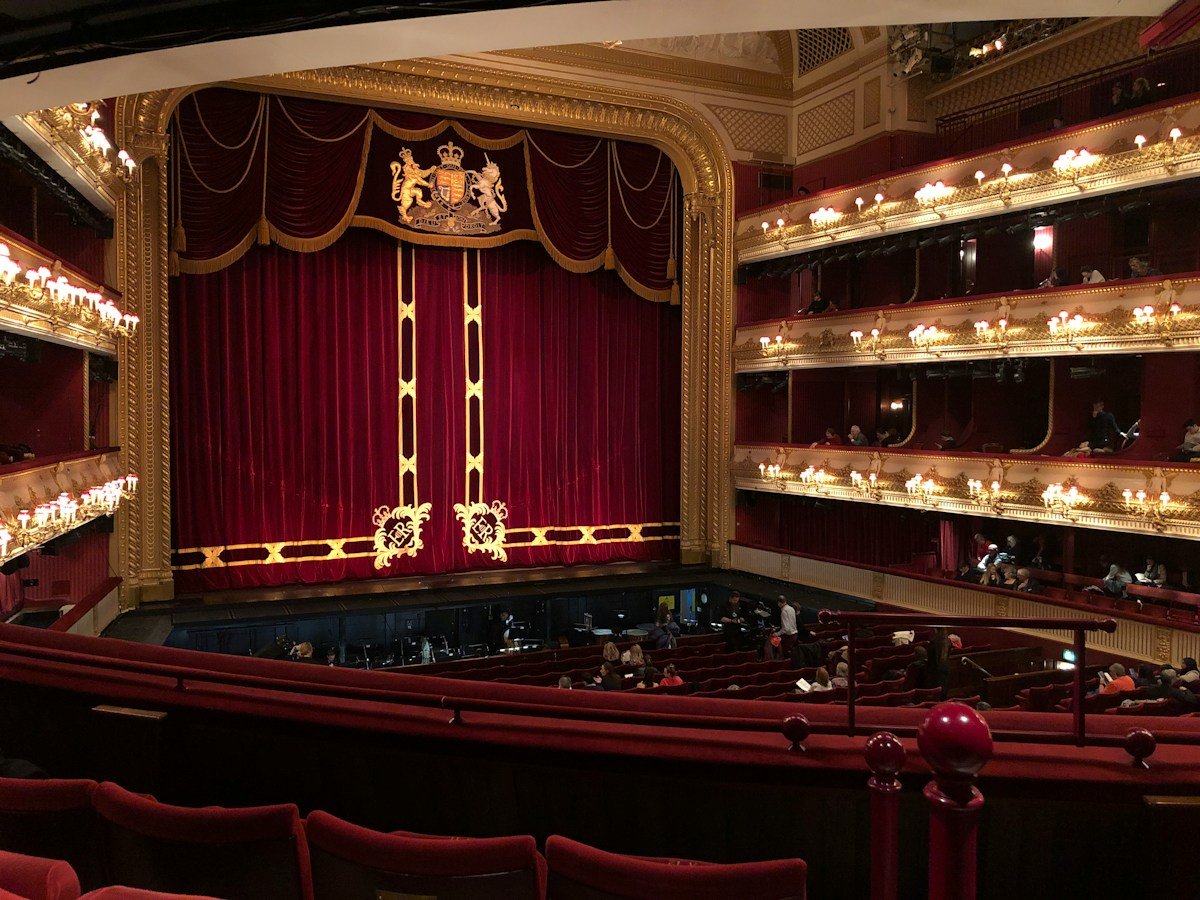
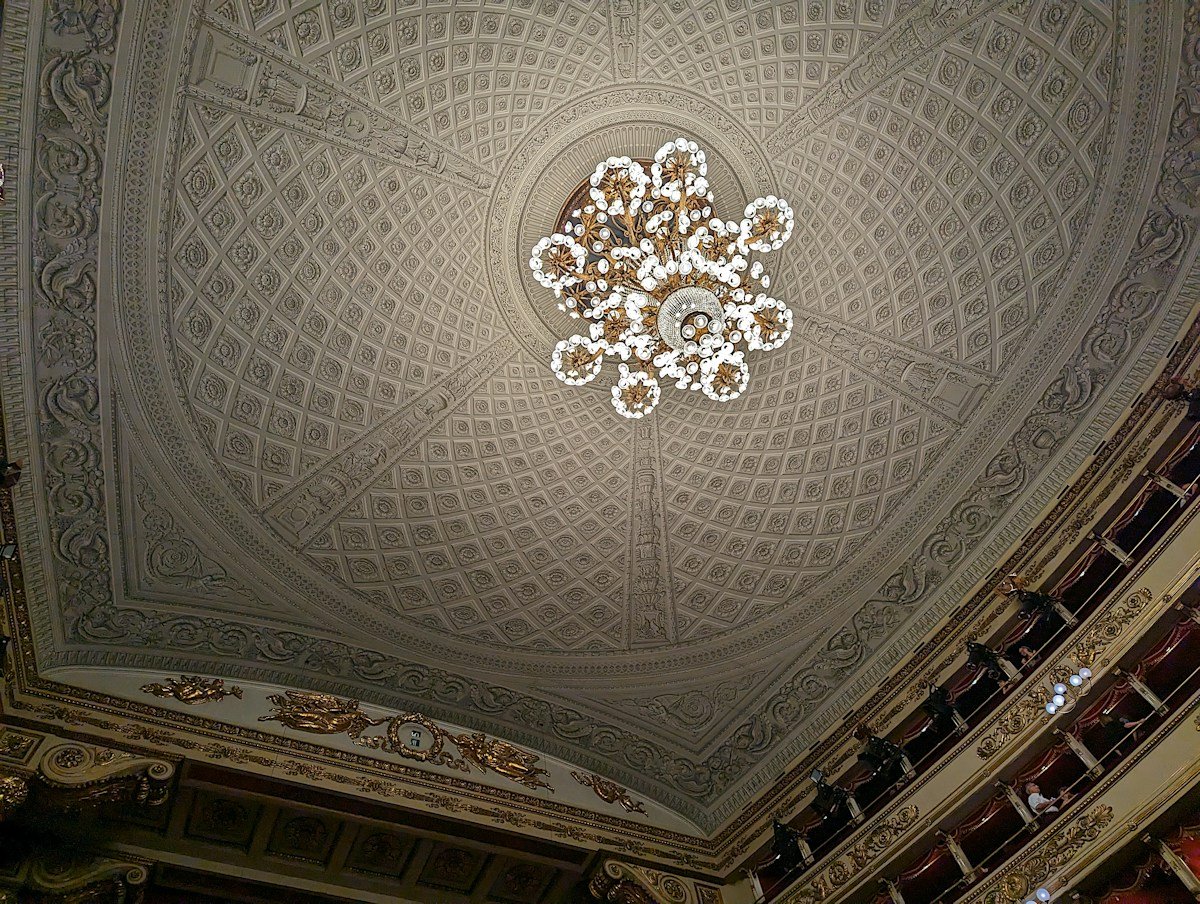
Dal 1951 è proprio in questa data che il Teatro alla Scala inaugura la stagione lirica. La cosiddetta Prima non è soltanto un evento musicale, bensì un rito mondano e mediatico: sul tappeto rosso sfilano ministri, imprenditori e celebrità, mentre lo spettacolo viene trasmesso in diretta e proiettato in diversi luoghi della città, affinché chiunque possa assistervi. Anche la scelta del titolo inaugurale, annunciata con mesi di anticipo, viene attesa e commentata come una notizia di cronaca.
Non tutti, però, vivono la Prima come una festa. Davanti al teatro non è raro che si radunino manifestanti, convinti che quella serata rappresenti un’élite lontana dai problemi del Paese. All’interno, il giudizio più temuto è quello del loggione, la galleria più alta, dove siedono gli appassionati più competenti e severi: basta un acuto mancato perché dall’alto piovano fischi.
Il dibattito si riaccende ogni anno. C’è chi sostiene che la Prima sia ormai più una sfilata che uno spettacolo; altri ribattono che, senza quella visibilità, l’opera rischierebbe di scomparire dal dibattito pubblico.
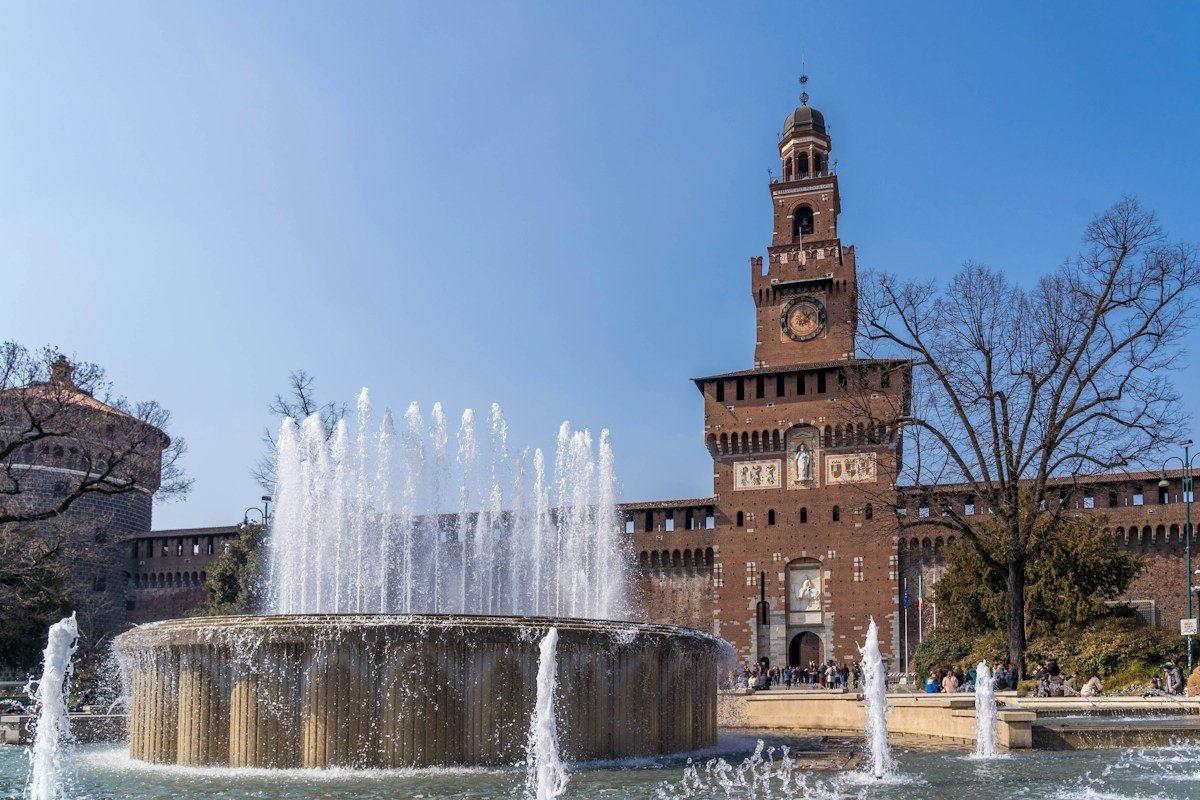
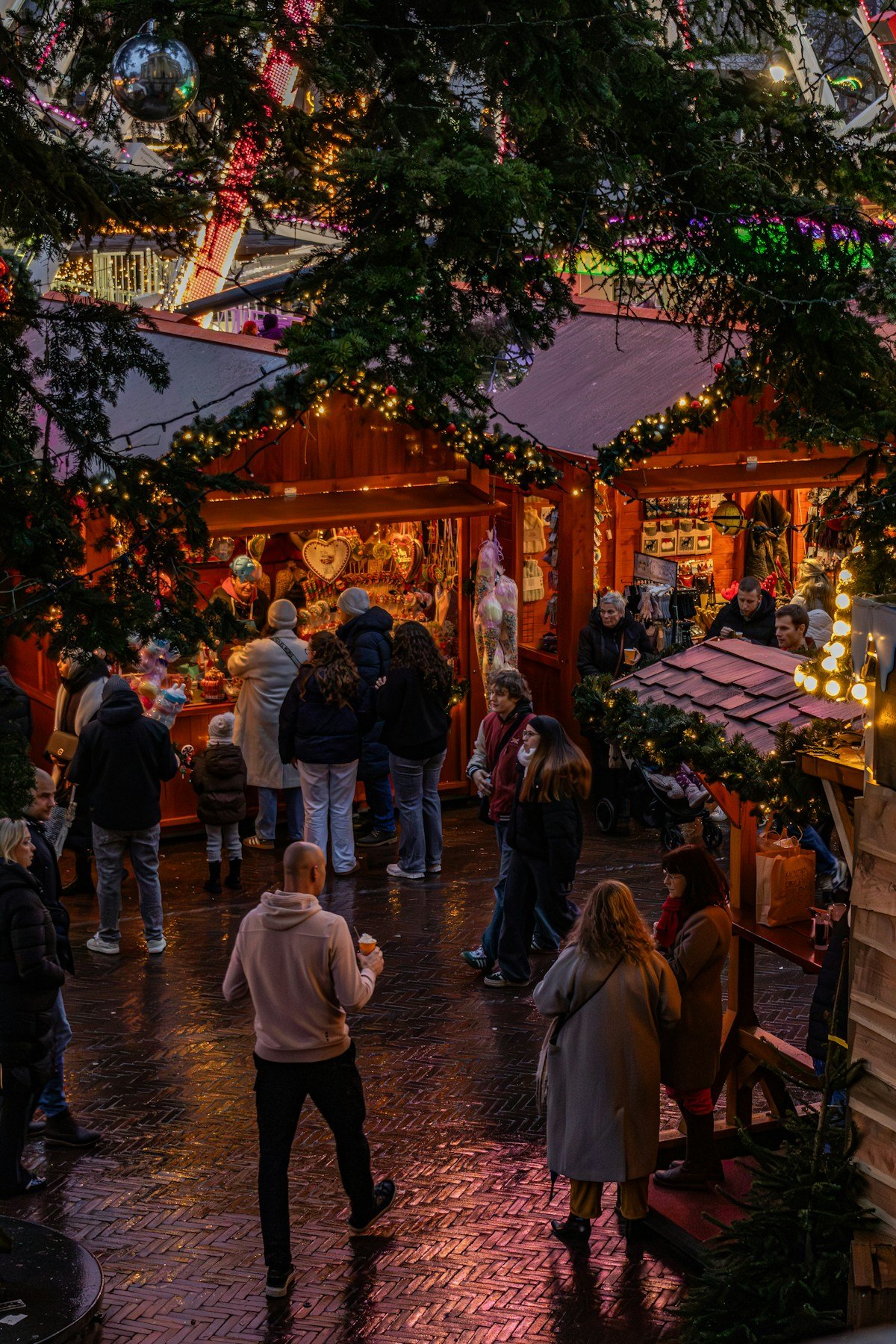
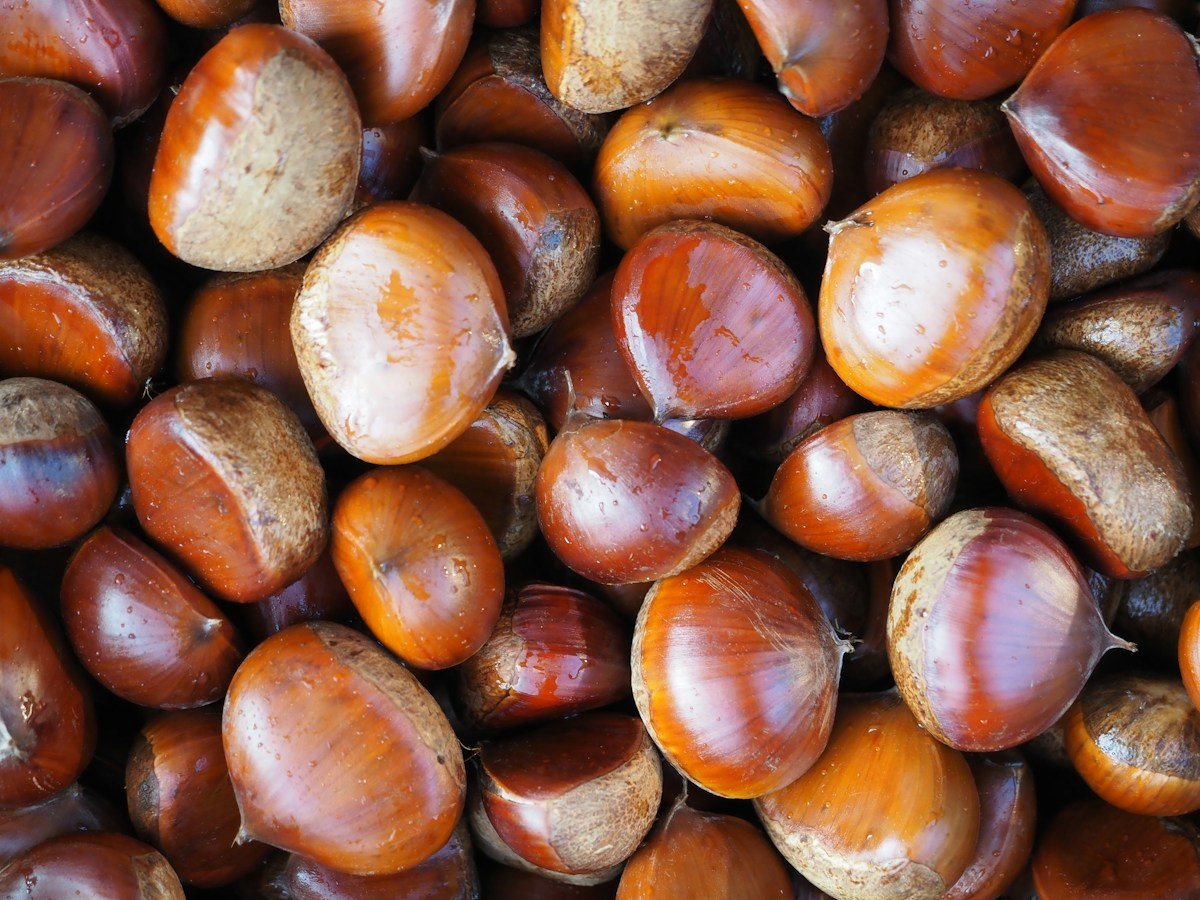
A pochi passi dalla Scala, intanto, Milano festeggia il suo patrono in modo decisamente più popolare. Intorno al Castello Sforzesco si allestisce la fiera «Oh Bej! Oh Bej!», il cui nome, in dialetto milanese, significa «Oh, che belli!». Secondo la tradizione, così avrebbero esclamato i bambini nel Cinquecento, quando un inviato del papa giunse in città carico di doni. Tra le bancarelle si trovano artigianato, giocattoli, stampe antiche e i firunatt, castagne affumicate infilate a collana.
Due volti della stessa città, dunque: da un lato il rito esclusivo del teatro, dall’altro la festa di strada aperta a tutti. Ed è forse proprio in questo contrasto che si riconosce l’identità di Milano, sospesa tra tradizione e modernità.
Glossario
- il vescovo · bishop
- il giorno festivo · public holiday
- il ponte · long weekend (“bridge”)
- la stagione lirica · opera season
- mondano · glamorous, high-society
- in diretta · live (on TV)
- il manifestante · protester
- il loggione · top gallery (and its fans)
- l’acuto · high note
- il fischio · boo (lit. whistle)
- ribattere · to retort
- il patrono · patron saint
Mostra la traduzione · Show the English translation
On December 7 Milan celebrates Saint Ambrose, the bishop who led the city in the 4th century with such authority that he became its symbol: the Milanese still call themselves “Ambrosian”, and the diocese keeps its own rite, the Ambrosian rite. For the Lombard capital it is a public holiday which, together with the Immaculate Conception, often gives residents a long weekend.
Since 1951 it is on this very date that La Scala opens its opera season. The so-called Prima is not only a musical event but a social and media ritual: ministers, business leaders and celebrities parade on the red carpet, while the performance is broadcast live and screened in several places around the city, so that anyone can watch it. Even the choice of the opening opera, announced months in advance, is awaited and discussed like a news story.
Not everyone, however, experiences the Prima as a celebration. It is not unusual for protesters to gather in front of the theater, convinced that the evening represents an elite far removed from the country’s problems. Inside, the most feared verdict is that of the loggione, the top gallery, where the most knowledgeable and demanding fans sit: one missed high note is enough for boos to rain down from above.
The debate flares up again every year. Some argue that the Prima is now more a fashion parade than a show; others retort that without that visibility, opera would risk disappearing from public debate.
A few steps from La Scala, meanwhile, Milan celebrates its patron saint in a far more popular way. Around Castello Sforzesco, the “Oh Bej! Oh Bej!” fair is set up; its name, in Milanese dialect, means “Oh, how beautiful!”. According to tradition, that is what children exclaimed in the 1500s when a papal envoy arrived in the city loaded with gifts. Among the stalls you find crafts, toys, old prints and firunatt, smoked chestnuts strung into necklaces.
Two faces of the same city, then: on one side the exclusive ritual of the theater, on the other a street festival open to all. And perhaps it is precisely in this contrast that Milan’s identity can be recognized, poised between tradition and modernity.
This year (2026–27)
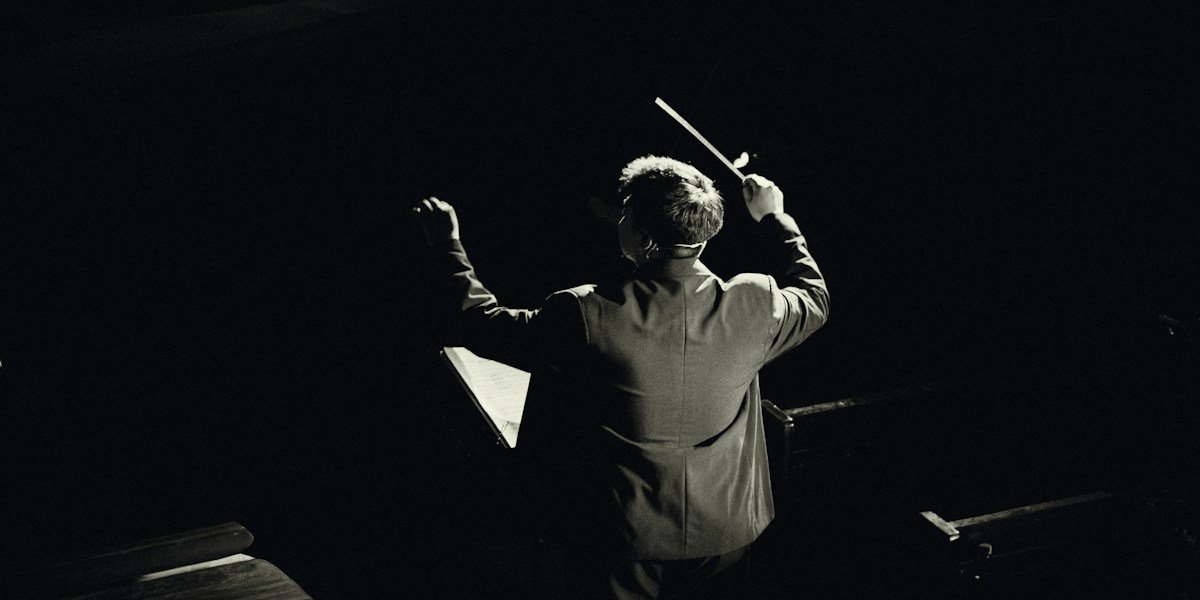
On December 7, 2026 the season opens with Verdi’s Otello, conducted by Myung-Whun Chung (his first Prima as La Scala’s music director) and staged by Damiano Michieletto.
📖 Hai capito? · Did you understand?
Four questions on the reading.
Comprensione · 4 questions
Scegli la risposta giusta.
1. Da quando la Scala inaugura la stagione il 7 dicembre?
2. Che cos’è il loggione?
3. Perché alcuni manifestano davanti al teatro?
4. Dove si allestisce oggi la fiera «Oh Bej! Oh Bej!»?
Read the story of Sant’Ambrogio in English →
Want to talk about La Prima in Italian? New here? Try a 25-minute lesson for $25: book a trial.
Buon Sant’Ambrogio a tutti!
Happy Saint Ambrose’s Day, everyone!

Written by Luciana
Native Italian teacher, CEDILS certified, 10,000+ lessons since 2020.