Italian Pronunciation: The Complete Guide (5 Vowels and 10 Rules)
A0 · Pronunciation · The complete guide
Five vowels, ten rules, and you will order bruschetta like a local.
Quick answer
Italian pronunciation is regular: you read every letter, and the same spelling always gives the same sound. Learn the 5 pure vowels (a, e, i, o, u) and 10 rules (silent H, double consonants, hard and soft C and G, CH/GH, the silent i, GLI, GN, SCE/SCI and SC/SCH) and you can read any Italian word out loud.
Italian pronunciation starts with 5 pure vowels
English vowels slide (“oh” is really “oh-oo”). Italian vowels don’t: short, clean, one sound each.
a
AH, like in “father”
casa (KAH-sah) · house
e
EH, like in “bed”
sette (SEHT-teh) · seven
i
EE, like in “see”
vino (VEE-noh) · wine
o
OH, but no “oo” at the end
nonno (NOHN-noh) · grandpa
u
OO, like in “moon”
uno (OO-noh) · one
💡 In simple words
Every vowel is pronounced, even at the end of the word. (One exception: the silent i of rule 6.)
Grazie is GRAHT-tsyeh: say the final e, never “gratsi”.
Open and closed e and o? Italian has two e’s and two o’s, a little more open or closed. Italians from different regions say them differently, so at the beginning a clean EH and OH is perfect.

AAAH. One clean vowel, mouth wide open, no slide. That’s the Italian a. You’re welcome.
The 10 rules of Italian pronunciation
One card per rule. Each one has its own lesson, slow and complete, when you are ready.
Rule 1
Every letter counts
H is always silent
21 letters (+ j, k, w, x, y in foreign words). You read every letter: hotel = oh-TEL.
The alphabet →Rule 2
nonno ≠ nono
Double = held longer
nonno (NOHN-noh, grandpa) vs nono (NOH-noh, ninth).
Double consonants →Rule 3
casa, gatto
C, G + a, o, u = hard
K and G as in “kite” and “get”: casa (KAH-sah), gatto (GAHT-toh).
C and G →Rule 4
cena, gelato
C, G + e, i = soft
CH as in “chair”, J as in “jam”: cena (CHEH-nah), gelato (jeh-LAH-toh).
C and G →Rule 5
chiesa, funghi
CH, GH + e, i = hard
The H keeps it hard: chiesa (KYEH-zah), spaghetti (spah-GET-tee).
C and G →Rule 6
ciao, giorno
CIA, CIO, CIU, GIA, GIO, GIU
The i is silent: ciao (CHOW), giorno (JOR-noh), Giulia (JOO-lyah).
C and G →Rule 10
scuola, pesche
SC + a, o, u · SCH + e, i = SK
Like “school”: scuola (SKWOH-lah), pesche (PEH-skeh, peaches).
SC →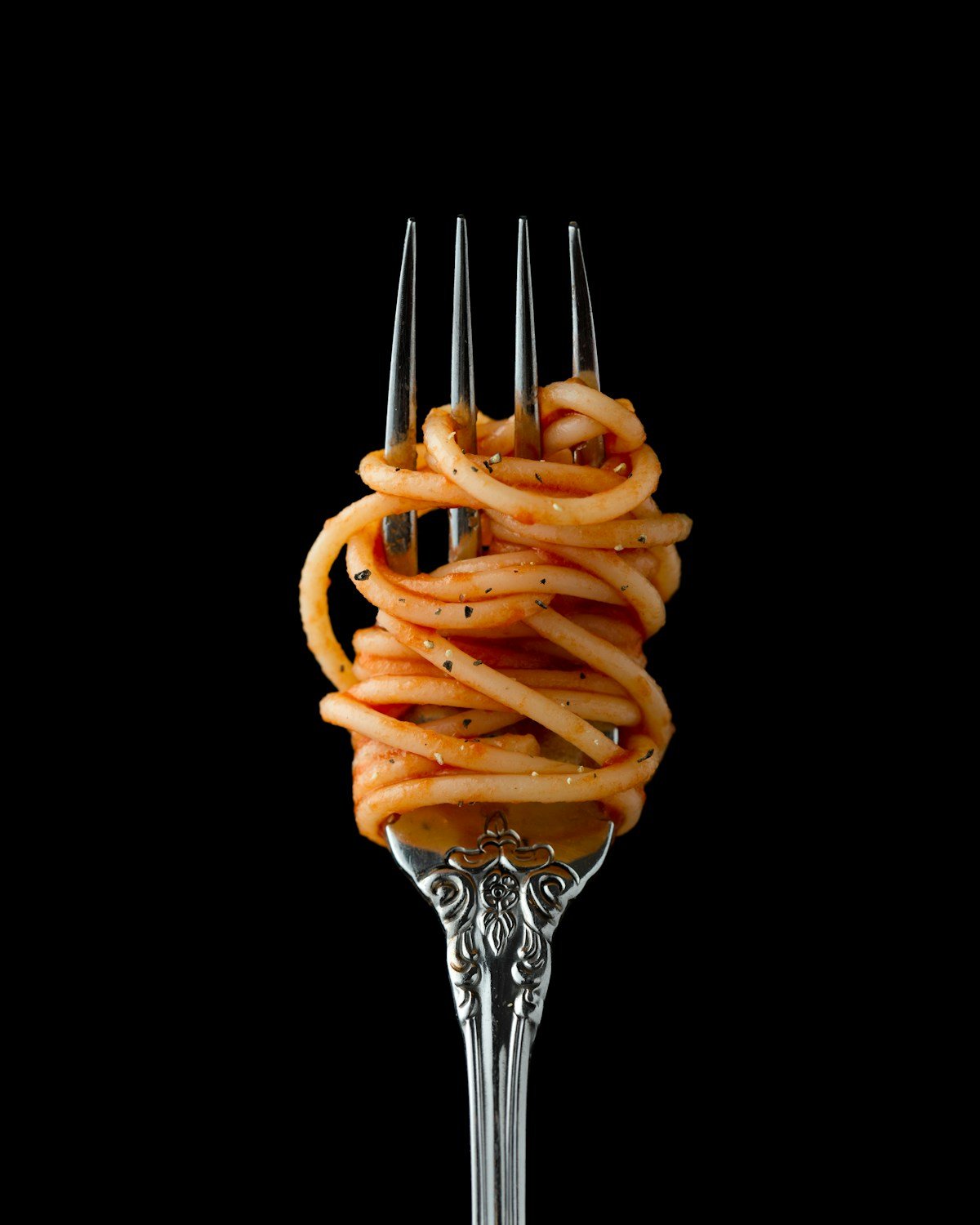
Where does the stress go?
Two easy tips
1. Most Italian words are stressed on the second-to-last syllable: pizza (PEET-tsah), gelato (jeh-LAH-toh), amore (ah-MOH-reh).
2. An accent on the last vowel moves the stress there: caffè (kahf-FEH), città (cheet-TAH), perché (pehr-KEH).
Say the highlighted syllable louder and longer
piz·za
PEET-tsah
ge·la·to
jeh-LAH-toh
a·mo·re
ah-MOH-reh
caf·fè
kahf-FEH
cit·tà
cheet-TAH
te·le·fo·no
teh-LEH-foh-noh
Some words break tip 1 (telefono is teh-LEH-foh-noh). No rule for those: you learn them one by one, by ear.

In real life: the menu test
The rules are everywhere on an Italian menu. Read the word, find the rule.


Bruno
waiter
Buonasera! Cosa prendete?
Good evening! What are you having?

you
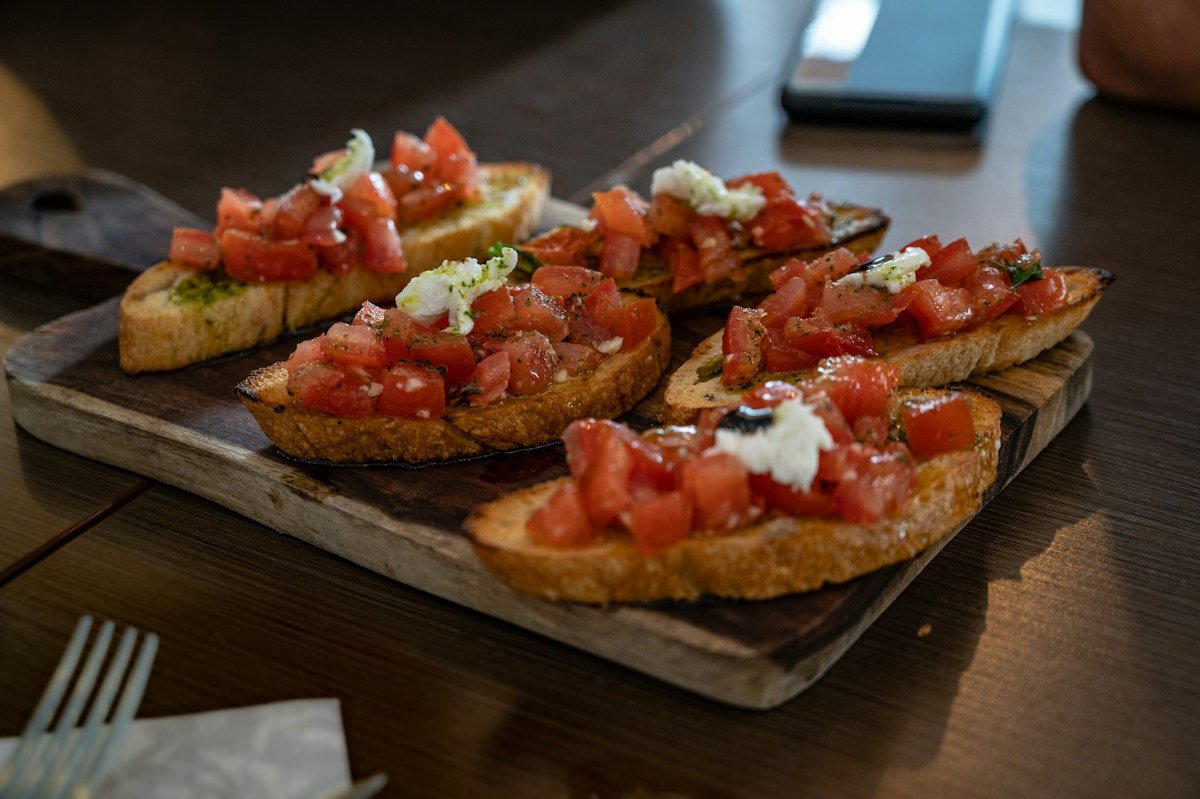
Una bruschetta e gli gnocchi, per favore.
A bruschetta and the gnocchi, please. (broo-SKET-tah · NYOHK-kee)
Bruno
waiter
Perfetto! Lei parla benissimo!
Perfect! You speak really well!
Two famous words, two rules: CH = K, GN = NY. The waiter is impressed.
Common mistakes English speakers make
Ordering: broo-SHET-tah → broo-SKET-tah
In Italian CH is always K. The SH sound is written SCI / SCE.
Ordering: g-NOH-chee → NYOHK-kee
GN is one sound, like the ny in canyon. And CCH is a held K.
At the deli: proh-SKOO-toh → proh-SHOOT-toh
SCI + u = SH, and the i is silent.
Checking in: HOH-tel → oh-TEL
The H is always silent in Italian.
Saying hi: chee-AH-oh → CHOW
In CIAO the i is silent: one quick sound.
Read it once, say it right
📖 No spelling bees
Italian is written the way it is said. That is why spelling bees make little sense in Italy: once you know the 10 rules, you can read words you have never seen.
🗺️ Many accents, one Italian
A Venetian and a Sicilian sound very different, and both are speaking correct Italian. Clean vowels and the 10 rules work everywhere.

I said “gnocchi” correctly once. Then I needed a nap.
Step 6 · Practice
🍕 Your turn
Start with a quick warm-up, then press Check. Want more? Open the extra exercises below. Read every word out loud before you answer: your mouth needs the practice more than your eyes. No pressure.
Warm-up · 5 questions
Read the word out loud. Is the C or G hard (K / G as in “get”) or soft (CH / J)?
1. casa (house)
2. cena (dinner)
3. chiesa (church)
4. ciao (hi)
5. gatto (cat)
See more exercises · 52 questions ▾Hide the extra exercises ▴
1 · Which sound?
What sound do the bold letters make?
1. cena (dinner)
2. chi (who)
3. scena (scene)
4. gelato
5. ghiro (dormouse)
6. scuola (school)
7. hotel
8. lasagna
9. famiglia (family)
2 · Same or different sound?
Look at the bold letters. Do they make the same sound?
1. casa · cena
2. chiesa · casa
3. giorno · gelato
4. gallo · giallo
5. pesce · pesche
6. ciao · cena
7. spaghetti · gatto
8. famiglia · globo
3 · Which word has the double consonant?
Choose the word with the meaning given.
1. Grandpa
2. Seven
3. Ball
4. Pen
5. Cart
6. Eight
7. Four
8. Pizza
4 · Read it: how does it sound?
Choose the hint that sounds right for an American reader.
1. bruschetta
2. gnocchi
3. prosciutto
4. famiglia
5. ciao
6. hotel
7. spaghetti
8. cinque (five)
9. funghi (mushrooms)
5 · Right or wrong?
Is the rule right?
1. In Italian, the H is silent.
2. C + e sounds like K.
3. CH in Italian sounds like K.
4. In ciao you pronounce the i.
5. GLI sounds like the lli in million.
6. GN sounds like the ny in canyon.
7. SC + i sounds like SK.
8. Double consonants are held longer.
9. The final e in grazie is silent.
6 · Write the word you see from the hint
Read the hint, then type the Italian word. Capital letters don’t matter.
1. CHOW (hi)
2. NYOHK-kee (potato dumplings)
3. spah-GET-tee
4. PEH-sheh (fish)
5. fah-MEE-lyah (family)
6. jeh-LAH-toh
7. KYEH-zah (church)
8. SKWOH-lah (school)
9. NOHN-noh (grandpa)
New here? Try a 25-minute lesson for $25: book a trial. Not sure about your level? Take the free level test.
Ci vediamo la prossima settimana! – Sì, alla prossima lezione! Ciao!
See you next week! – Yes, see you at the next lesson! Bye!
More pronunciation: The alphabet · Double consonants · C and G · GLI · GN · SC · Mispronounced words · Tongue twisters

Written by Luciana
Native Italian teacher, CEDILS certified, 10,000+ lessons since 2020.