Italian Double Consonants: Nonno vs Nono and Why It Matters
A0 · Pronunciation · Double consonants
Two letters, one long sound, and the difference between your grandpa and the number nine.
Quick answer
Italian double consonants (nn, tt, ll, rr, zz…) are held longer than single ones: you stop for a tiny moment on the consonant. It matters, because it changes the word: nono (NOH-noh) means “ninth”, nonno (NOHN-noh) means “grandpa”.
What are Italian double consonants?
In English, double letters are just spelling: “summer” and “hammer” have one M sound. In Italian, you hear both letters.
The rule
One consonant = short, quick.
Double consonant = held longer, with a tiny stop on it.
nono NOH-noh · nonno NOHN-noh
💡 In simple words
Think of the English “black cat” or “bus stop“: you hold the K or S a little longer, where the two words meet.
That is exactly an Italian double consonant, inside one word.

Almost every consonant can be double: mamma, nonno, sette, palla, carro, pizza, cappuccino.
One letter changes the word
Here is why the teacher insists. Say each pair out loud: short, then long.
nono ≠ nonno
nono (NOH-noh) · ninth
nonno (NOHN-noh) · grandpa
sete ≠ sette
sete (SEH-teh) · thirst
sette (SEHT-teh) · seven
pala ≠ palla
pala (PAH-lah) · shovel
palla (PAHL-lah) · ball
caro ≠ carro
caro (KAH-roh) · dear / expensive
carro (KAHR-roh) · cart, wagon
pena ≠ penna
pena (PEH-nah) · pity, sorrow
penna (PEHN-nah) · pen
capello ≠ cappello
capello (kah-PEHL-loh) · a hair
cappello (kahp-PEHL-loh) · hat


Three numbers you will say every day
Phone numbers, prices, times: these three come up all the time, and all three have a double T.
quattro
KWAHT-troh
four · not “quatro”
sette
SEHT-teh
seven · not “sete” (thirst!)
otto
OHT-toh
eight · not “oto”
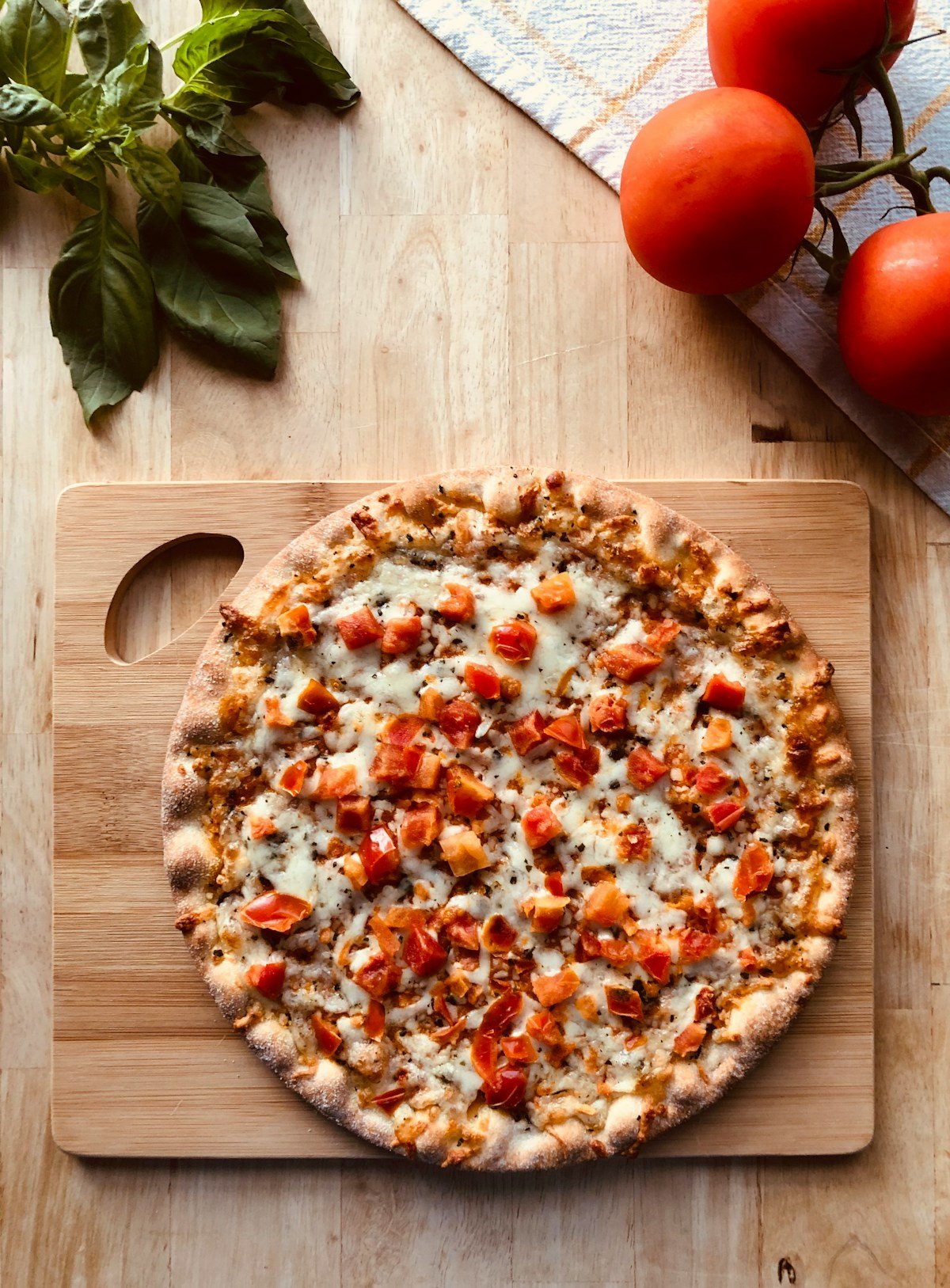
Bonus: pizza (PEET-tsah) has a double Z, said like a long TS. Never “PEE-zah”.
How to practice: pause before the second consonant
The trick
1. Split the word between the two letters: non · no, set · te, pal · la.
2. Stop for a tiny moment on the first half, as if you are about to sneeze.
3. Then finish the word. Do it slowly 3 times, then at normal speed.
Over-do it at first. To Italian ears it will sound like a normal double, not an exaggerated one.

Tina
the teacher
Dimmi: “sette”.
Say: “sette” (seven).

you
Sete!
Thirst!
Tina
the teacher
Hai sete? Allora, piano: set… te.
Are you thirsty? So, slowly: set… te.
you
Set-te! Sette!
Seven!
Common mistakes English speakers make
Counting: quatro → quattro
Hold the T: KWAHT-troh.
Ordering: PEE-zah → PEET-tsah
Double Z in pizza is a long TS sound.
Talking about family: il nono → il nonno
With one N you are talking about the number “ninth”.
Asking for a pen: una pena → una penna
Una pena is “a pity”. Hold the N to get your pen.
One Italian, many accents
🗺️ Many accents, one standard
Italy has many regional accents. This post teaches the standard way of speaking, but when you listen to Italians you will hear different forms. Some regions double sounds even more: in Rome, a casa (at home) can sound like “ak-KAH-sah”.
✍️ Spelling tip
Not sure if a word has one or two letters? Listen. If the sound is held, write two. Italian is written the way it is said.

I ordered a “PEE-zah”. The waiter is still looking for it.
Step 6 · Practice
🍕 Your turn
Start with a quick warm-up, then press Check. Want more? Open the extra exercises below. Read every word out loud before you answer: your mouth needs the practice more than your eyes. No pressure.
Warm-up · 5 questions
Which word has the double consonant? Choose the word for the meaning given.
1. Grandpa
2. Seven
3. Ball
4. Pen
5. Eight
See more exercises · 46 questions ▾Hide the extra exercises ▴
1 · Which word is it?
Choose the right word.
1. Thirst
2. Ninth
3. Shovel
4. Cart, wagon
5. Dear / expensive
6. Pity, sorrow
7. Hat
8. A hair
9. Four
10. Mom
2 · Single or double?
Read the word out loud. Is the bold consonant single (short) or double (held)?
1. casa (house)
2. gatto (cat)
3. gelato
4. spaghetti
5. amore (love)
6. caffè (coffee)
7. burro (butter)
8. vino (wine)
3 · Same or different sound?
Say both words out loud. Do they sound exactly the same?
1. nono · nonno
2. sette · sette
3. pala · palla
4. caro · carro
5. otto · otto
6. capello · cappello
4 · Read the word: how does it sound?
Choose the hint that matches the Italian word.
1. nonno
2. sete
3. palla
4. quattro
5. pizza
6. caro
7. penna
8. otto
5 · Right or wrong?
Is the sentence right?
1. Double consonants are held longer.
2. In Italian, “nono” and “nonno” mean the same thing.
3. To practice, pause before the second consonant: set… te.
4. “Quatro” is the correct spelling of four.
5. “Sete” means seven.
6. The double Z in pizza sounds like a long TS.
6 · Write the word from the hint
Read the hint, then type the Italian word. Capital letters don’t matter.
1. NOHN-noh (grandpa)
2. SEHT-teh (seven)
3. SEH-teh (thirst)
4. PAHL-lah (ball)
5. PEHN-nah (pen)
6. KWAHT-troh (four)
7. OHT-toh (eight)
8. KAHR-roh (cart)
New here? Try a 25-minute lesson for $25: book a trial. Not sure about your level? Take the free level test.
Ci vediamo la prossima settimana! – Sì, alla prossima lezione! Ciao!
See you next week! – Yes, see you at the next lesson! Bye!

Written by Luciana
Native Italian teacher, CEDILS certified, 10,000+ lessons since 2020.