E, O, Ma, Perché: Italian Conjunctions for Longer Answers
A0 · Lesson 18 · Little words
Four tiny words that turn “Sono di Boston.” into a real conversation.
Quick answer
The four basic Italian conjunctions (little linking words) are e (and), o (or), ma (but) and perché (because, and Perché? = why?). Add one to a short answer to make it longer: Sono di Boston, ma abito a Chicago, perché lavoro lì.
E = and (and why è is different)
The smallest word in Italian: one letter.
e
eh · and
Tom e Kate · Tom and Kate
è
EH · is
Tom è americano · Tom is American
💡 In simple words
No accent: e = and.
With an accent: è = is (verb essere).
They sound almost the same. In writing, the little accent changes everything.
Sono americano e parlo inglese. (SOH-noh ah-meh-ree-KAH-noh eh PAHR-loh een-GLEH-zeh) · I’m American and I speak English.
Kate è americana e Tom è inglese. · Kate is American and Tom is English. Spot the difference?

O = or (and why ho is different)
o
oh · or
Caffè o cappuccino? · Coffee or cappuccino?
ho
oh · I have
Ho trent’anni. · I’m thirty. (I have 30 years)
💡 In simple words
o = or. ho = I have (verb avere).
Same sound: the H is silent in Italian. Only the spelling tells them apart.
Sei americano o inglese? (SAY ah-meh-ree-KAH-noh oh een-GLEH-zeh) · Are you American or English?

Ma = but
ma
MAH
but
ContrastUse ma when the second part is a little surprise.
Sono americana, ma mia nonna è italiana. (SOH-noh ah-meh-ree-KAH-nah mah MEE-ah NOHN-nah EH ee-tah-LYAH-nah) · I’m American, but my grandma is Italian.
Parlo inglese, ma non parlo spagnolo. · I speak English, but I don’t speak Spanish.
Ho trent’anni, ma sono in pensione! (oh trehn-TAHN-nee mah SOH-noh een pehn-SYOH-neh) · I’m thirty, but I’m retired! Lucky you.

Perché = because, and Perché? = why?
Perché?
pehr-KEH · why?
Perché sei in Italia? · Why are you in Italy?
perché
pehr-KEH · because
Perché sono in vacanza! · Because I’m on vacation!
💡 In simple words
One word, two jobs: Perché? asks why, perché answers because.
The accent goes on the last E: perché. Your voice goes up for the question.

Italian conjunctions in action: short answer + e, ma, perché
A short answer is fine. A long answer is better, and it makes you sound like you really speak Italian. Here is the recipe:
Make it longer
- 1Start with a short answer: Sono di Boston.
- 2Add e, ma or perché.
- 3Add one more fact. Done. Want more? Add another little word and another fact.
ShortSono di Boston.I’m from Boston.
LongerSono di Boston, ma abito a Chicago.I’m from Boston, but I live in Chicago.
LongestSono di Boston, ma abito a Chicago, perché lavoro lì.I’m from Boston, but I live in Chicago, because I work there.
Say it out loud: SOH-noh dee BOS-ton, mah AH-bee-toh ah shee-KAH-goh, pehr-KEH lah-VOH-roh LEE.
Change the words
Sono di Boston, ma abito a Chicago.
SOH-noh dee BOS-ton, mah AH-bee-toh ah shee-KAH-goh
Swap in your own places: di Dallas a Denver di New York a Miami

In real life: one question, a long answer
Luca
new friend
Di dove sei?
Where are you from?

you
Sono di Boston, ma abito a Chicago.
I’m from Boston, but I live in Chicago.
Luca
new friend
Perché?
Why?
you
Perché lavoro lì. Sono insegnante.
Because I work there. I’m a teacher.
Luca
new friend
E parli italiano o spagnolo?
And do you speak Italian or Spanish?
you
Parlo inglese e un po’ di italiano!
I speak English and a little Italian!
Count them: e, o, ma, perché. All four in one little chat.
Common mistakes English speakers make
Tom è Kate sono americani. → Tom e Kate sono americani.
“and” = e, no accent.
Sono americano o ho trent’anni. → Sono americano e ho trent’anni.
“and” = e. o means “or”.
O trent’anni. → Ho trent’anni.
“I have” = ho, with a silent H.
Perche? → Perché?
Don’t forget the accent on the last E.
Sono di Boston. But abito a Chicago. → Sono di Boston, ma abito a Chicago.
“but” = ma.
Did you know? Perché sì!
🤷 Perché? Perché sì!
Ask an Italian parent “Why?” and you may hear Perché sì! (pehr-KEH SEE): “Because yes!” It means: because I said so. End of discussion.
😄 Perché no?
Perché no? (pehr-KEH NOH) = Why not? Italians say it all the time when they agree to a plan: Un gelato? Perché no!
Two tiny phrases, and you already sound like a local.

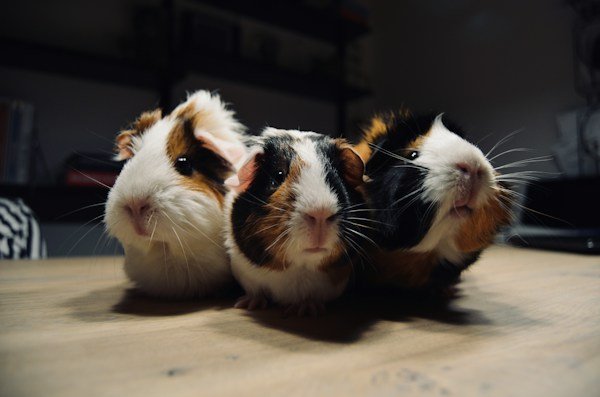
Why am I in a cup? Perché sì. Next question.
Step 8 · Practice
🍕 Your turn
Start with a quick warm-up, then press Check. Want more? Open the extra exercises below. Mistakes are part of it. No pressure.
Warm-up · 5 questions
Choose the right little word.
1. Tom ___ Kate (Tom and Kate)
2. Caffè ___ cappuccino? (or)
3. Sono americana, ___ parlo italiano. (but)
4. ___ sei in Italia? (Why)
5. ___ trent’anni. (I have)
See more exercises · 36 questions ▾Hide the extra exercises ▴
1 · E or è?
Choose the right word.
1. Kate ___ americana.
2. Marco ___ Giulia sono italiani.
3. Parlo inglese ___ un po’ di italiano.
4. Lui ___ medico.
5. Sono stanco ___ ho fame.
6. Luca ___ di Roma.
7. Lei ___ cameriera.
8. Sono di Boston ___ abito a Boston.
2 · O or ho?
Choose the right word.
1. Sei americano ___ canadese?
2. ___ fame!
3. Caffè ___ tè?
4. ___ quarant’anni.
5. Parli inglese ___ spagnolo?
6. ___ freddo.
7. Sei stanca ___ hai sonno?
3 · Which little word?
Choose e, o, ma or perché.
1. Sono italiano, ___ abito a New York.
2. Abito a Roma ___ lavoro lì.
3. Sei di Boston ___ di Chicago?
4. Ho fame ___ ho sete.
5. Parlo inglese, ___ non parlo spagnolo.
6. Sono in Italia ___ sono in vacanza.
7. Sono di Roma, ___ abito a Milano.
8. Sono americano ___ ho trent’anni.
4 · Short or long?
Which answer is the longer, better one?
1. Di dove sei?
2. Parli italiano?
3. Perché sei in Italia?
4. “Perché?” in English is…
5. “perché” in an answer means…
5 · Write it in Italian
Type the sentence. Capital letters and punctuation don’t matter. Type è as e’ if you have no accent key.
1. Tom and Kate
2. Coffee or cappuccino?
3. Why?
4. I’m American, but I speak Italian. (a woman)
5. I’m tired and I’m hungry. (a man)
6. Are you American or English? (to a man, a friend)
7. Because I’m on vacation.
8. I’m from Boston, but I live in Chicago.
New here? Try a 25-minute lesson for $25: book a trial. Not sure about your level? Take the free level test.
Ci vediamo la prossima settimana! – Sì, alla prossima lezione! Ciao!
See you next week! – Yes, see you at the next lesson! Bye!
← Previous lesson: A0 · 17 Jobs in Italian
Next lesson: A0 · 19 Italian questions →

Written by Luciana
Native Italian teacher, CEDILS certified, 10,000+ lessons since 2020.