Il giorno dopo: tombola! · lettura B1
Lettura · Level B1 · Santo Stefano
A grandpa, a cloth bag of numbers and the loudest family game of the year.
You’ll read a B1 story in Italian: a woman remembers the 26th of December and the family tombola of her childhood. Warm up with the pictures first, then read and answer 5 questions.
Warm-up
🎲 Warm-up: match the pictures
Choose the Italian word for each picture, then press Check.
The day after Christmas · 8 pictures
Tap the right word under each photo.


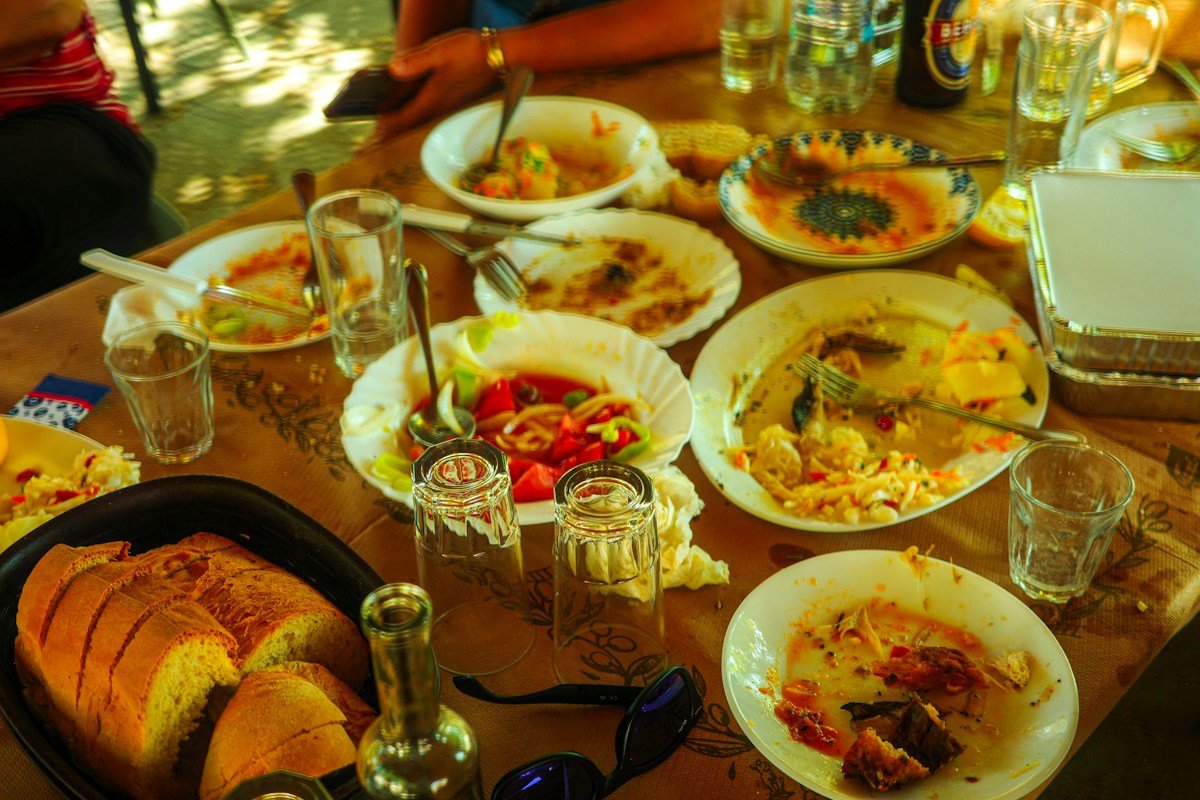

Il giorno dopo: tombola!
Ascolta · Listen
Quando ero piccola, il 26 dicembre era il mio giorno preferito. In Italia Santo Stefano è un giorno festivo: si sta a casa, si va a trovare i parenti e, soprattutto, si mangiano gli avanzi del pranzo di Natale.
Santo Stefano, che è stato il primo martire cristiano, si festeggia proprio il giorno dopo Natale. Molti approfittano della giornata libera per fare una passeggiata o per andare al cinema. Ma per noi bambini la cosa più importante era un’altra: la tombola.
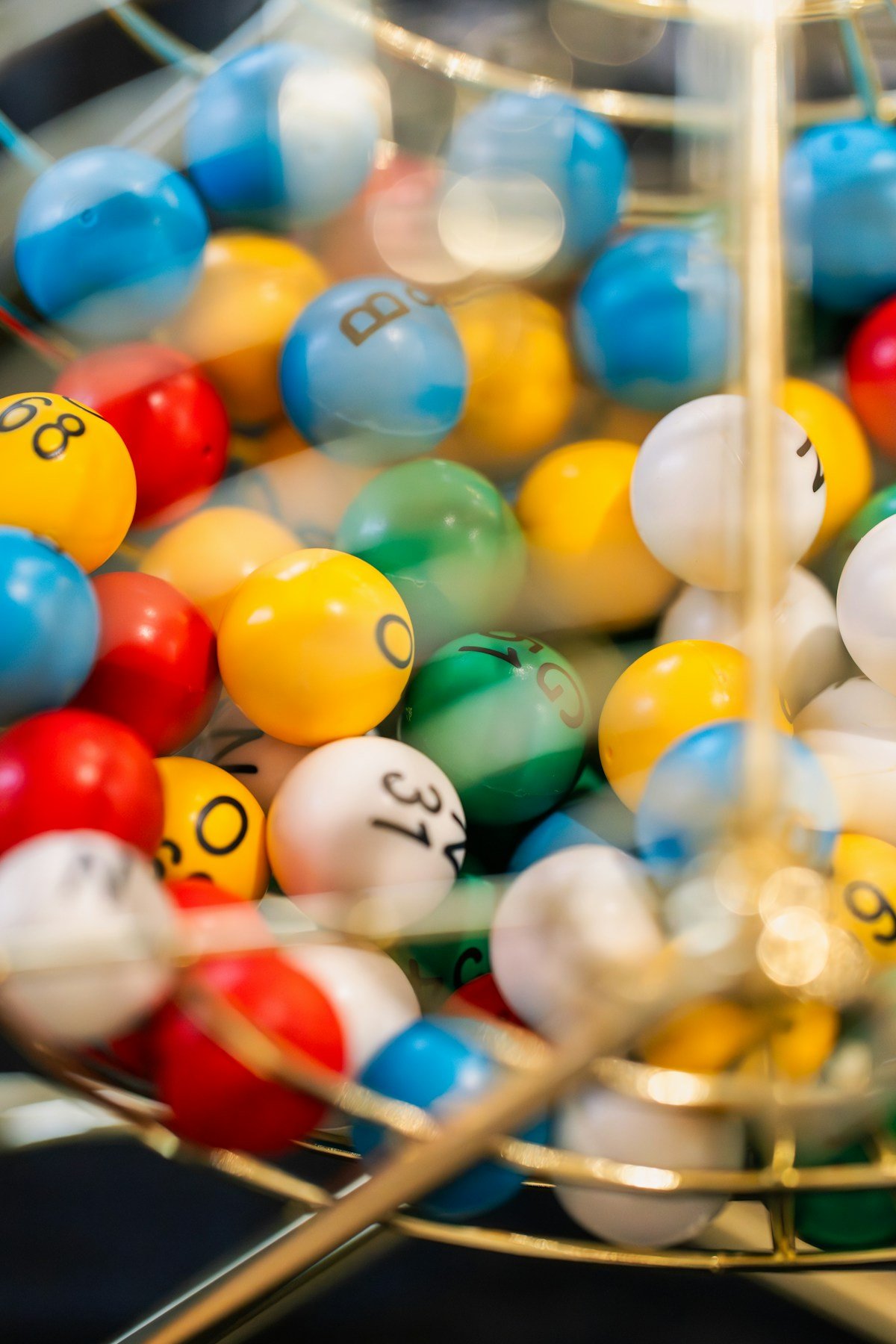
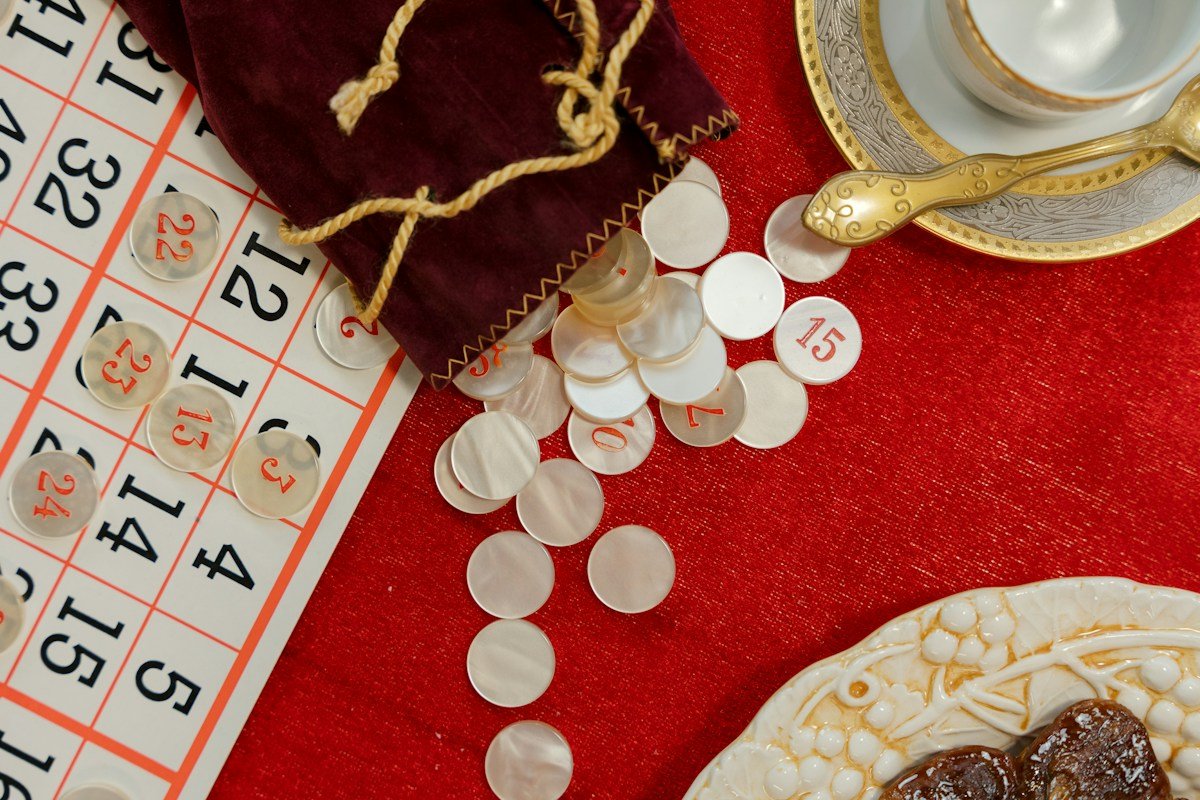
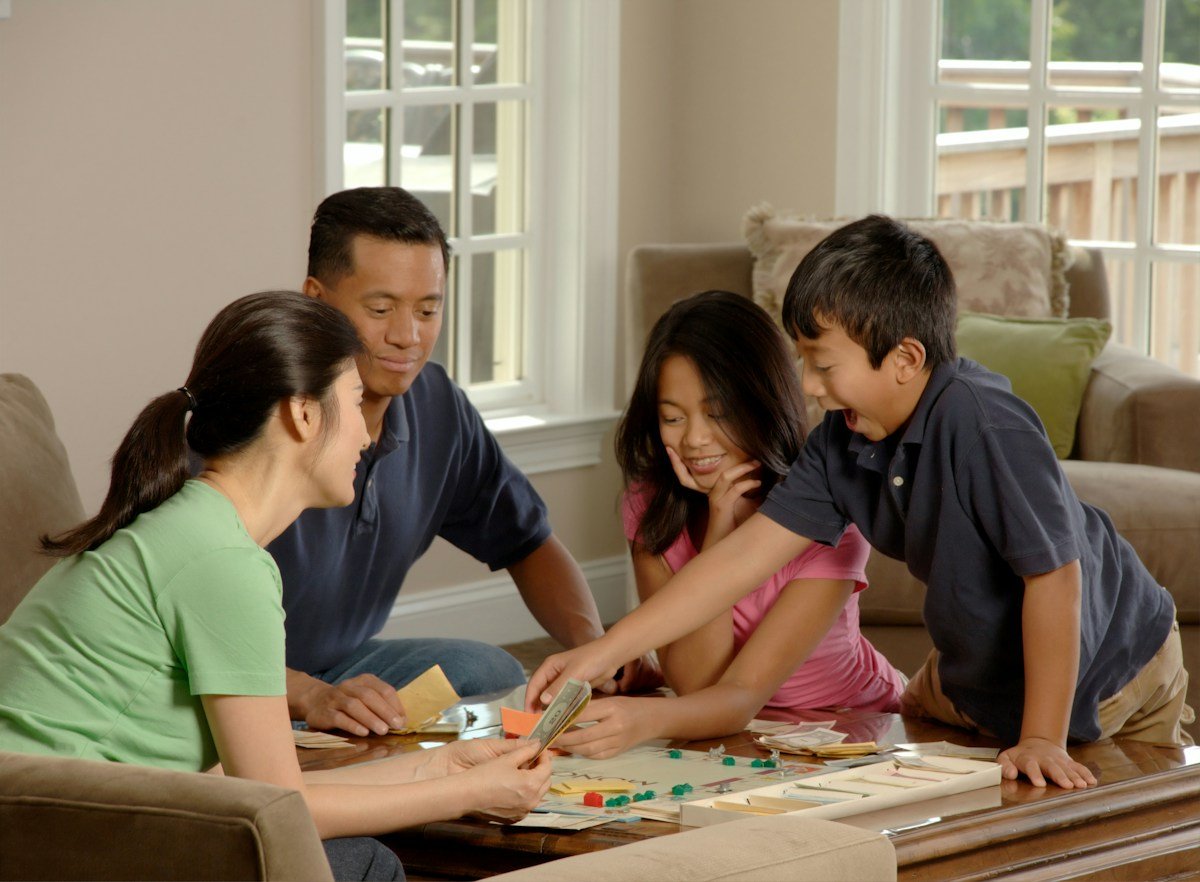
Dopo pranzo il nonno prendeva il tabellone e un vecchio sacchetto di stoffa che conteneva novanta numeri. Ognuno di noi sceglieva una o due cartelle e metteva qualche moneta sul tavolo. Per segnare i numeri si usavano i fagioli secchi o le bucce dei mandarini.
Il nonno estraeva un numero alla volta e non lo diceva mai in modo normale. Per lui il 90 era «la paura», il 33 erano «gli anni di Cristo» e il 48 era «il morto che parla». Erano i numeri della smorfia napoletana, un libro che dà un significato a ogni numero. Ogni volta che usciva un numero, tutti controllavano le cartelle in silenzio, e poi qualcuno sospirava. Noi ridevamo tantissimo.
Chi faceva ambo, cioè due numeri sulla stessa riga, vinceva qualche centesimo. Poi c’erano il terno, la quaterna e la cinquina. Il premio più grande era per chi copriva tutta la cartella e gridava: «Tombola!»
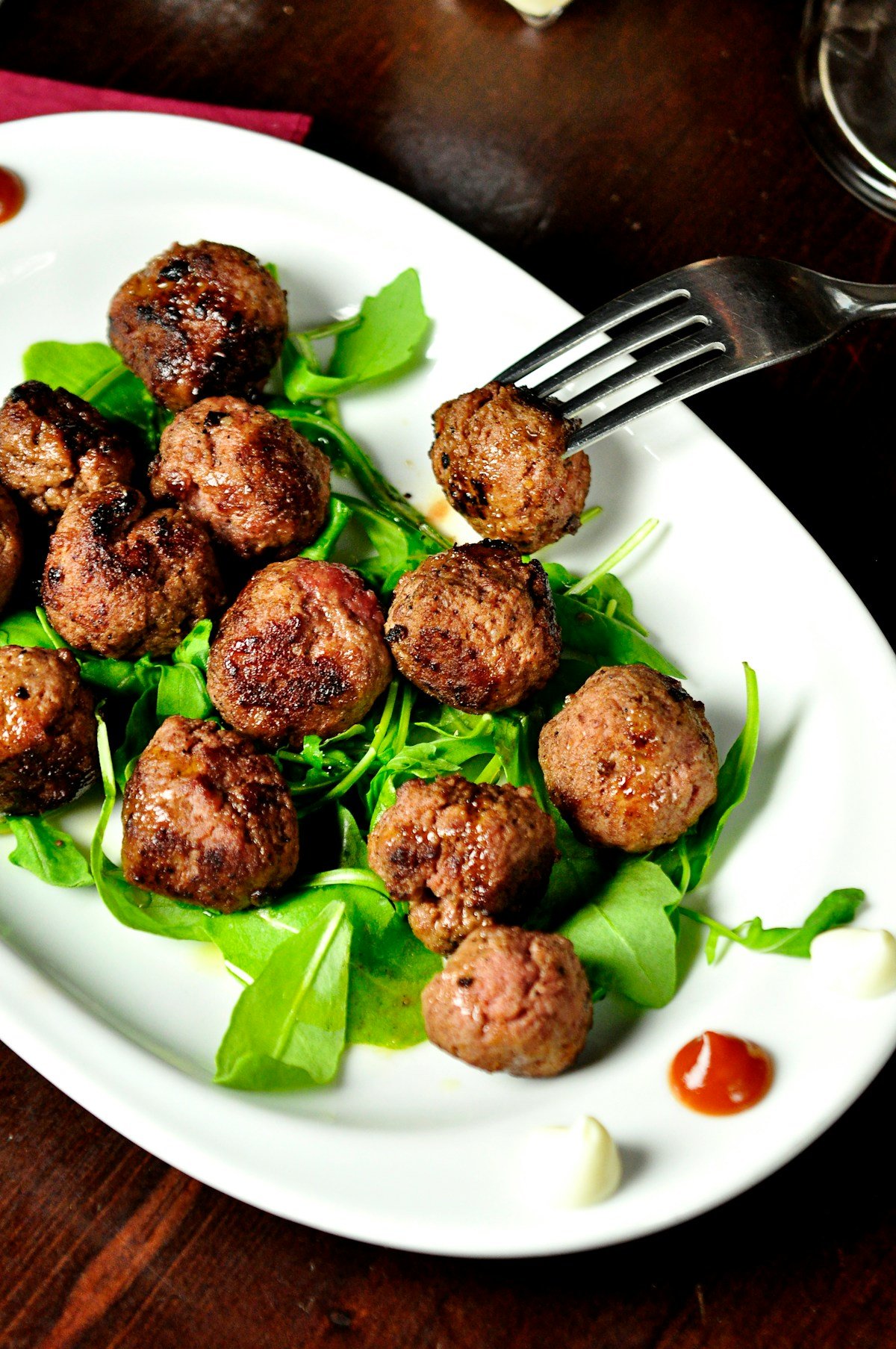
Intanto la nonna preparava le polpette con il bollito che era avanzato. Oggi il nonno ha novant’anni e il sacchetto ora lo tengo io: ogni 26 dicembre estraggo i numeri e lui, seduto accanto a me, mi suggerisce la smorfia. E ridiamo ancora tantissimo.
Glossary
- il giorno festivo
- public holiday
- i parenti
- relatives
- gli avanzi
- leftovers
- il martire
- martyr
- il tabellone
- the big number board
- il sacchetto
- small bag
- la stoffa
- cloth, fabric
- la cartella
- tombola card
- segnare
- to mark
- estrarre
- to draw (a number)
- la riga
- row, line
- il bollito
- boiled meat
Mostra la traduzione · Show the English translation
When I was little, December 26 was my favorite day. In Italy Santo Stefano is a public holiday: people stay home, visit relatives and, above all, eat the leftovers from Christmas lunch.
Saint Stephen, who was the first Christian martyr, is celebrated right on the day after Christmas. Many people use the day off to take a walk or go to the movies. But for us kids the most important thing was something else: tombola.
After lunch Grandpa took out the big board and an old cloth bag that held ninety numbers. Each of us chose one or two cards and put a few coins on the table. To mark the numbers we used dried beans or tangerine peels.
Grandpa drew one number at a time and never said it the normal way. For him 90 was “fear”, 33 was “Christ’s age” and 48 was “the dead man who talks”. They were the numbers of the Neapolitan smorfia, a book that gives a meaning to every number. Every time a number came out, everyone checked their cards in silence, and then somebody sighed. We laughed so much.
Whoever got an ambo, that is, two numbers in the same row, won a few cents. Then came the terno, the quaterna and the cinquina. The biggest prize went to whoever covered the whole card and shouted: “Tombola!”
Meanwhile Grandma made meatballs with the leftover boiled meat. Today Grandpa is ninety and I keep the bag now: every December 26 I draw the numbers and he sits next to me, whispering the smorfia meanings. And we still laugh so much.
After reading
🔢 Hai capito?
Choose the right answer, then press Check.
Comprensione · 5 domande
Rispondi secondo il testo.
1. Che cosa si fa di solito il 26 dicembre in Italia?
2. Che cosa usavano per segnare i numeri?
3. Che cos’è la smorfia napoletana?
4. Che cosa grida chi copre tutta la cartella?
5. Che cosa preparava la nonna con il bollito avanzato?
In EnglishWhy December 26 is a holiday in Italy, and the tombola rules in 4 steps.
Read the story of Santo Stefano in English →New here? Try a 25-minute lesson for $25: book a trial. Not sure about your level? Take the free level test.
Buon Santo Stefano e… tombola!
Happy Saint Stephen’s Day and… tombola!

Written by Luciana
Native Italian teacher, CEDILS certified, 10,000+ lessons since 2020.