Italian Noun Gender: Masculine or Feminine? (-o, -a, -e and 4 Rule Breakers)
A1 · Masculine or feminine?
Every Italian noun is a he or a she. Even the table. Especially the table.
Quick answer
Every Italian noun is masculine or feminine. Look at the last letter: -o is usually masculine (il divano), -a is usually feminine (la sedia). Nouns in -e can be both (il cane, la chiave), so learn them with il / la. Four rebels: la mano, la foto (feminine) and il problema, il cinema (masculine).
Look at the last letter: -o or -a?
Italian has no “it”. Every noun is a he or a she: people, animals and things. The last letter usually tells you which.

ends in -o
il divano
the sofa

ends in -a
la sedia
the chair
♂ Masculine · -o
- il divanothe sofa
- il lettothe bed
- il tavolothe table
- il tappetothe rug
- lo specchiothe mirror
- il fornothe oven
- il frigoriferothe fridge
- il museothe museum
♀ Feminine · -a
- la sediathe chair
- la lampadathe lamp
- la vascathe bathtub
- la portathe door
- la poltronathe armchair
- la docciathe shower
- la finestrathe window
- la piazzathe square
💡 In simple words
Grammar gender is not about men and women. A table isn’t “manly”. It’s a label, like a color tag on a folder: blue for -o, red for -a.
Learn the little word with the noun
il and la both mean “the”. For now, don’t study them: learn them glued to the noun, as one block.
♂ il divano
il divano è grigio
eel dee-VAH-noh EH GREE-joh · the sofa is gray
un divano nuovo
a new sofa
♀ la sedia
la sedia è grigia
lah SEH-dyah EH GREE-jah · the chair is gray
una sedia nuova
a new chair
find the gender
la sedia
♀ feminine
The chain
la sedia è rossa
The noun chooses. The color, questo / questa and other words follow it.
-e? Here the last letter doesn’t help
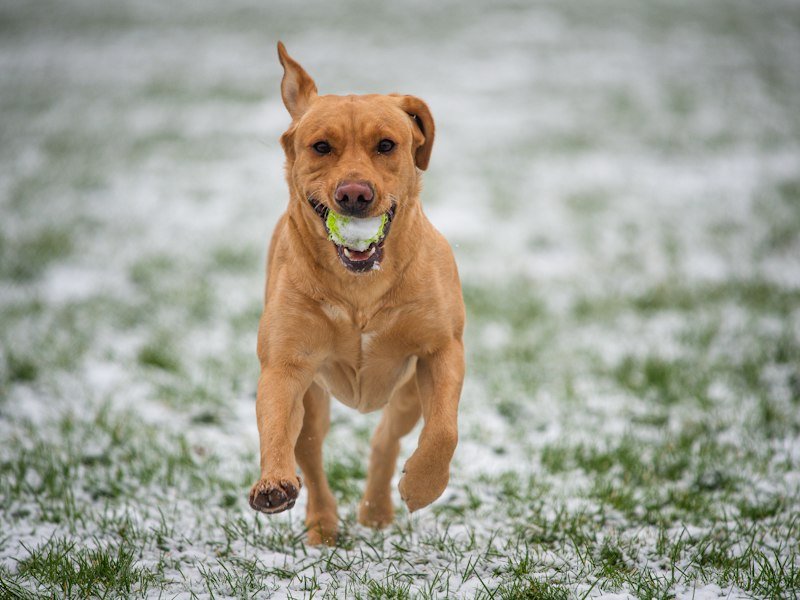
Some nouns end in -e. They can be masculine or feminine, so you learn them with il or la.
ends in -e
il cane
♂ the dog

ends in -e
la chiave
♀ the key
All the -e nouns, a trick to guess their gender and the one sure rule (-zione) are in the next lesson: Italian nouns ending in -e →
Four rebels: la mano, la foto, il problema, il cinema
Four famous nouns break the rule. Learn them by heart, with their little word.

-o, but feminine
la mano
the hand
-o, but feminine
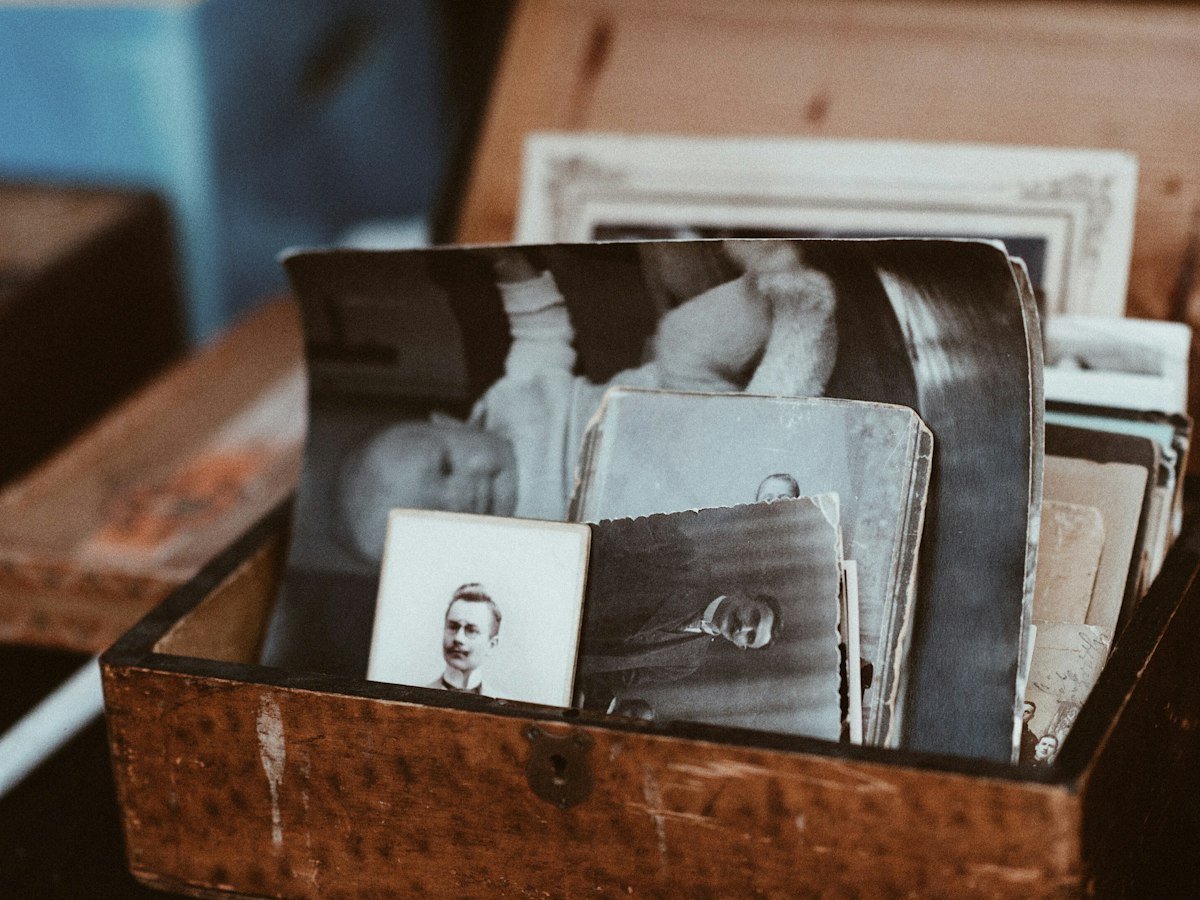
la foto
the photo
-a, but masculine
il problema
the problem

-a, but masculine
il cinema
the movie theater
la foto
short for la fotografia
A short word keeps the gender of the long word. Same with la moto (la motocicletta).
Why?il cinema
short for il cinematografo
The long word was masculine, so: il cinema.
Why?il problema
from Greek
Many -ma words come from Greek and are masculine: il problema, il programma.
Why?la mano
from Latin
In Latin it was feminine (manus), and Italian kept it.
Why?⚠️ Attenzione
Never il mano or la problema. It’s la mano and il problema.
Rebels keep their gender everywhere
La mano ends in -o, but it’s a she. So the color goes feminine. Don’t copy the letter: copy the gender.
feminine
la mano
masculine
il problema
♀ la mano, la foto
la mano fredda
the cold hand
la foto è bella
the photo is beautiful
♂ il problema, il cinema
un problema piccolo
a small problem
il cinema è vecchio
the movie theater is old
All together: one scheme
Every time you meet a new noun, ask these questions in this order.
No “it” in Italian, and two hands in the dough
Two things Italians never think about, and you will now notice everywhere.
☀️ il sole · the sun
Il sole è caldo.
The sun is hot. Masculine in Italian…
🌙 la luna · the moon
La luna è bella.
The moon is beautiful. Feminine in Italian. In German it’s the other way around!
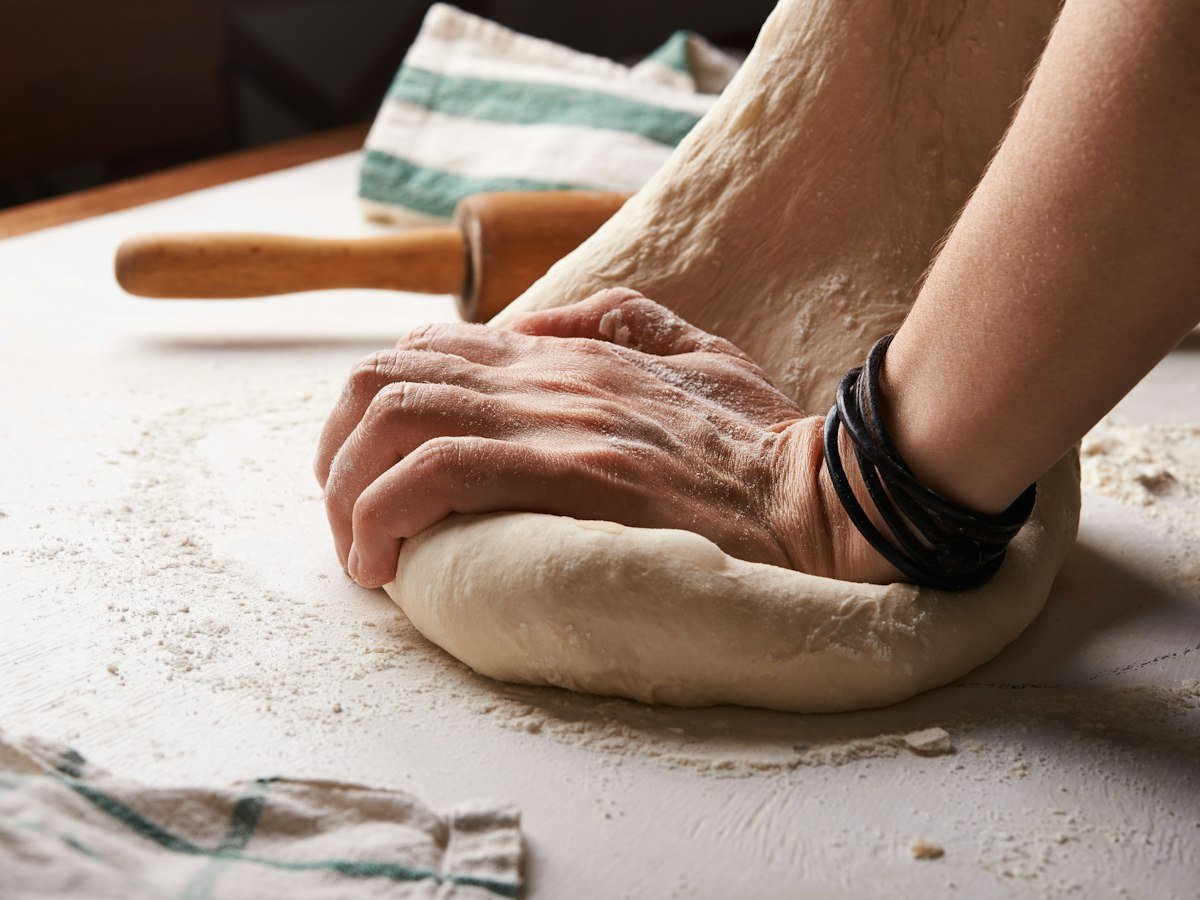
gli italiani dicono
avere le mani in pasta
to have your hands in the dough


Step 8 · Practice
🍕 Your turn
Start with a quick warm-up, then press Check. Want more? Open the extra exercises below. Mistakes are part of it. No pressure.
Warm-up · 5 questions
Masculine or feminine?
1. libro
2. casa
3. mano
4. problema
5. sedia
See more exercises · 42 questions ▾Hide the extra exercises ▴
1 · Odd one out
One noun has a different gender. Look at the last letter.
1. letto · tavolo · cucina · divano
2. sedia · porta · lampada · specchio
3. museo · parco · piazza · negozio
4. finestra · vasca · doccia · tappeto
5. forno · frigorifero · poltrona · bagno
6. casa · strada · chiesa · libro
2 · Masculine or feminine?
Careful: rebels and -e words are hiding.
1. tavolo
2. cucina
3. museo
4. finestra
5. specchio
6. mano
7. chiave
8. bagno
9. problema
10. cane
11. foto
12. cinema
3 · Il or la? Watch the rebels
Choose the little word.
1. ___ mano
2. ___ problema
3. ___ foto
4. ___ cinema
5. ___ casa
6. ___ divano
7. ___ lampada
8. ___ letto
4 · Make it match
First find the gender, then write the color with the right ending: -o or -a.
1. la sedia (rosso) → la sedia ___
2. il fiore (giallo) → il fiore ___
3. la chiave (piccolo) → la chiave ___
4. la mano (bianco) → la mano ___
5. la foto (bello) → la foto ___
6. il cinema (vecchio) → il cinema ___
7. il divano (grigio) → il divano ___
8. il problema (piccolo) → il problema ___
9. la porta (nero) → la porta ___
10. lo specchio (nuovo) → lo specchio ___
5 · Right or wrong?
Is it correct Italian?
1. il mano
2. la foto
3. la problema
4. il cinema
5. la sedia rossa
6. la mano piccolo
New here? Try a 25-minute lesson for $25: book a trial. Not sure about your level? Take the free level test.
Il problema? La mano? Facile!
The problem? The hand? Easy!

Written by Luciana
Native Italian teacher, CEDILS certified, 10,000+ lessons since 2020.