Italian Nouns Ending in -e: Il Fiore or La Chiave? (+ the -zione Rule)
A1 · Nouns ending in -e
Il fiore or la fiore? Here the last letter keeps a secret.
Quick answer
Italian nouns ending in -e can be masculine (il cane, il fiore, il pane) or feminine (la chiave, la televisione, la notte). The ending doesn’t tell you, so learn each one with il or la. One sure rule: nouns in -zione are always feminine (la stazione, la lezione, la colazione). In a sentence, a color in -o or -a gives the gender away: il fiore rosso, la chiave gialla.
Nouns in -e: he or she?
You know -o (il divano) and -a (la sedia). Nouns in -e are different: the last letter doesn’t tell you the gender.

masculine
il cane
the dog

masculine
il fiore
the flower

masculine
il pane
the bread

feminine
la chiave
the key

feminine
la televisione
the TV
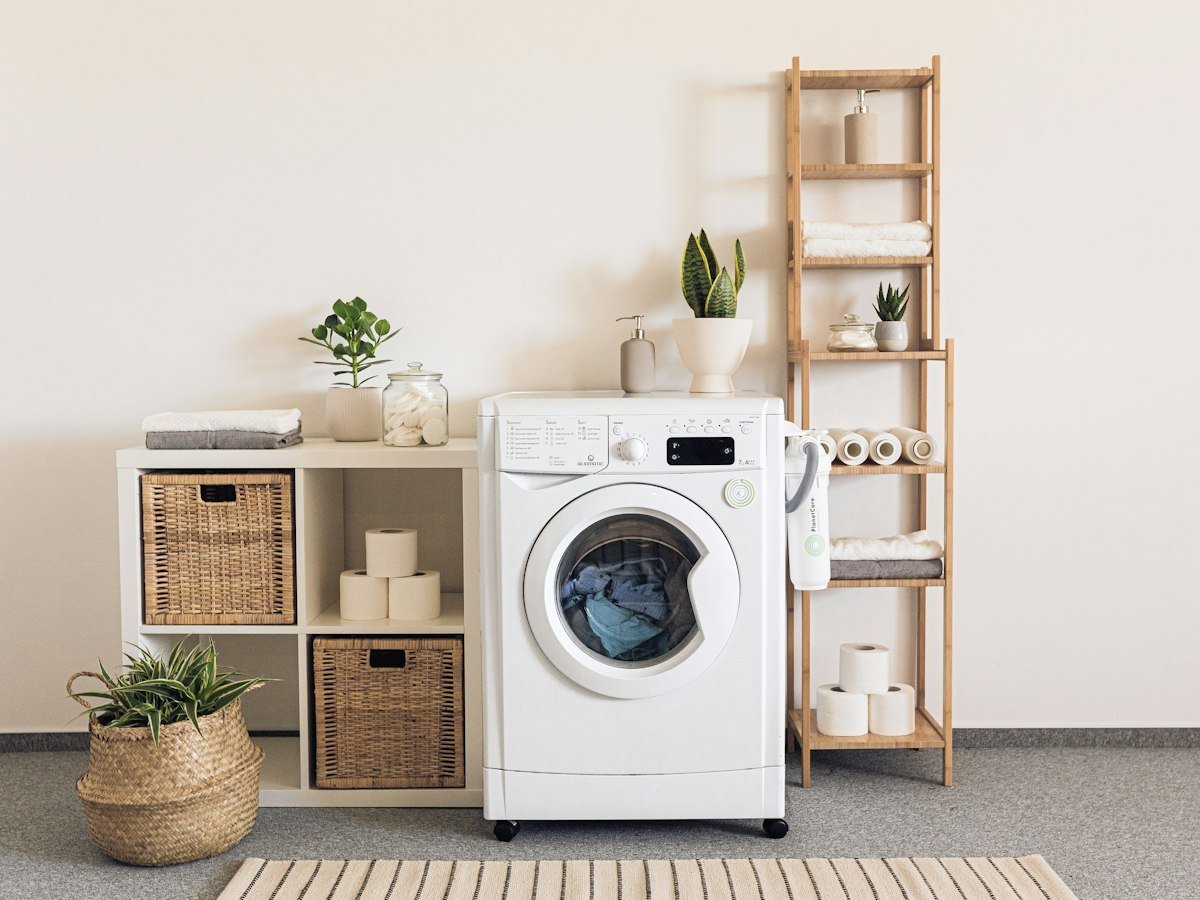
feminine
la lavatrice
the washing machine
♂ il … -e
- il canethe dog
- il fiorethe flower
- il panethe bread
- il mobilea piece of furniture
- il marethe sea
- il ristorantethe restaurant
- il nomethe name
♀ la … -e
- la chiavethe key
- la televisionethe TV
- la lavatricethe washing machine
- la nottethe night
- la lezionethe lesson
- la stazionethe station
- la classethe class
How to learn them: never alone
Never write cane in your notebook. Write il cane. The noun and its little word are one block.
💡 A trick that works
Put sticky notes on things at home for a week: il frigorifero, la porta, la lavatrice, il mobile… Every time you open the fridge, you read the gender.
The one sure rule: -zione is always feminine
Good news: one ending always tells you. Every noun in -zione is feminine.

-zione
la stazione
the station

-zione
la lezione
the lesson
la stazione
stah-TSYOH-neh
the (train) station
la lezione
leh-TSYOH-neh
the lesson
la colazione
koh-lah-TSYOH-neh
breakfast
l’informazione
een-for-mah-TSYOH-neh
the information (feminine)
💡 For English speakers
Many -zione words look like English -tion words: la nazione (nation), la stazione (station), l’informazione (information). If it ends in -tion in English, it’s probably feminine in Italian.
The color tells you
In a sentence, look at the word next to the noun. A color or adjective in -o or -a gives the gender away.
♂ the adjective ends in -o
un ristorante caro
an expensive restaurant
il mare azzurro
the blue sea
♀ the adjective ends in -a
una notte lunga
a long night
una lezione nuova
a new lesson
⚠️ Attenzione
Adjectives in -e (verde, grande) don’t help: il fiore verde, la chiave verde. Then only il / la tells you.
All together
Three steps for every noun in -e.
Step 6 · Practice
🍕 Your turn
Start with a quick warm-up, then press Check. Want more? Open the extra exercises below. Mistakes are part of it. No pressure.
Warm-up · 5 questions
Il or la?
1. ___ cane
2. ___ chiave
3. ___ stazione
4. ___ fiore
5. ___ lezione
See more exercises · 40 questions ▾Hide the extra exercises ▴
1 · The color tells you
The noun ends in -e, but the color ends in -o or -a. Il or la?
1. fiore rosso
2. chiave nera
3. mobile vecchio
4. televisione nuova
5. cane bianco
6. stazione piccola
7. pane buono
8. lavatrice bianca
9. lezione lunga
10. mare azzurro
2 · -zione or not?
Is it always feminine because of -zione?
1. la colazione
2. il pane
3. la stazione
4. la chiave
5. la lezione
6. l’informazione
3 · Make it match
Write the color with the right ending.
1. il fiore (giallo) → il fiore ___
2. la chiave (piccolo) → la chiave ___
3. la stazione (nuovo) → la stazione ___
4. il cane (nero) → il cane ___
5. la notte (lungo) → la notte ___
6. il ristorante (caro) → il ristorante ___
7. la lavatrice (bianco) → la lavatrice ___
8. il mobile (vecchio) → il mobile ___
4 · Write il or la
Type the little word.
1. ___ pane
2. ___ televisione
3. ___ mare
4. ___ notte
5. ___ colazione
6. ___ mobile
7. ___ classe
8. ___ nome
5 · Mixed: -o, -a, -e and rebels
Masculine or feminine?
1. divano
2. chiave
3. mano
4. fiore
5. problema
6. stazione
7. sedia
8. pane
New here? Try a 25-minute lesson for $25: book a trial. Not sure about your level? Take the free level test.
Dov’è la chiave? – È in cucina, vicino al pane!
Where’s the key? – It’s in the kitchen, next to the bread!

Written by Luciana
Native Italian teacher, CEDILS certified, 10,000+ lessons since 2020.